Nutritional Categories
An educational overview of the principal categories of nutritional support. Each entry describes a category's general characteristics, biological context, and commonly noted informational attributes. This page does not sell, endorse, or recommend any product.
Important Informational Notice: All descriptions on this page are general and educational in nature. They describe categories of nutritional compounds, not specific commercial products. No prices, purchase options, or individual recommendations are presented. Please consult a qualified health professional for personal guidance.
Nutritional Support Categories
The following informational entries provide structured overviews of six primary categories within the broader landscape of nutritional support for male well-being.
Vitamin Complex
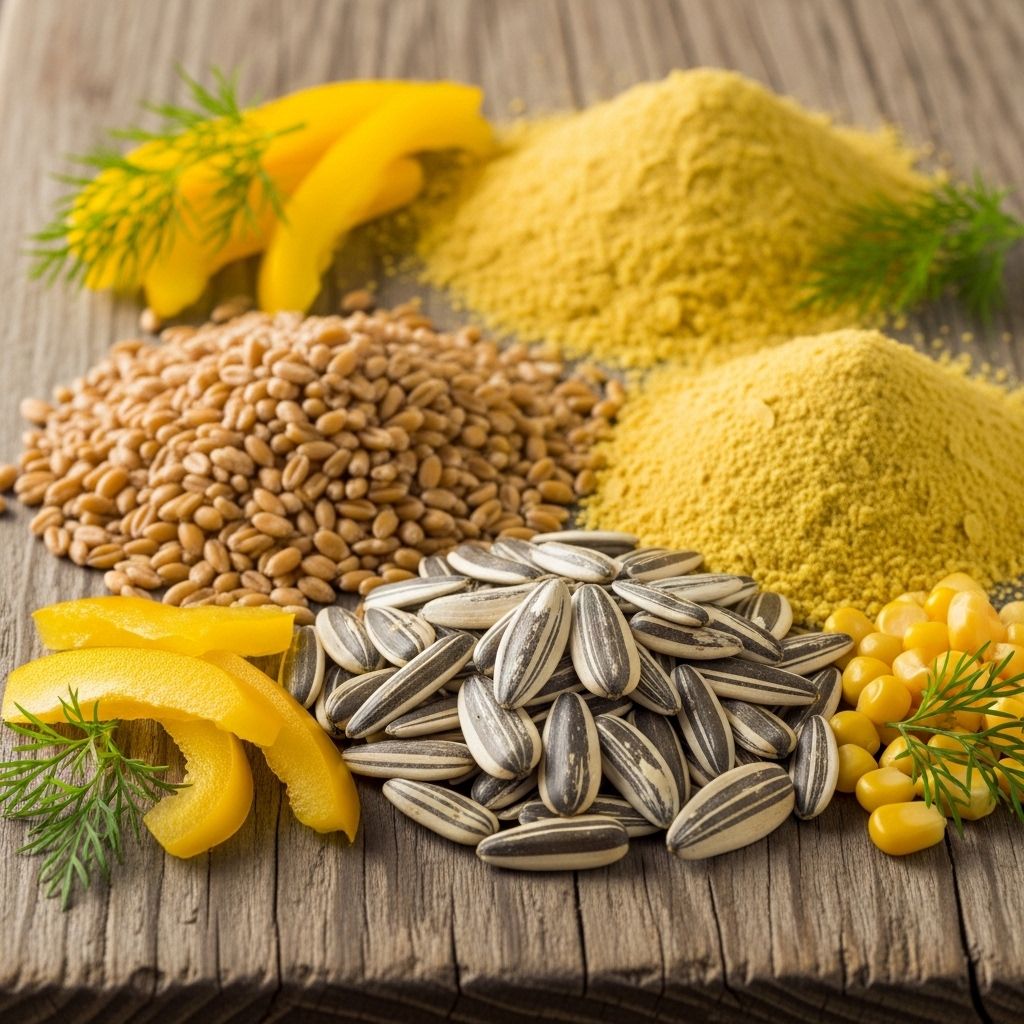
B Vitamin Complex
The B vitamins — a family of eight water-soluble compounds — are among the most extensively studied micronutrients in relation to cellular energy metabolism. They function as coenzymes in the biochemical pathways that convert carbohydrates, fats, and proteins into usable cellular energy (ATP). Because they are water-soluble, they are not stored in significant quantities and must be regularly replenished through dietary sources.
- Supports the enzymatic processes underlying cellular energy production, including the citric acid cycle and oxidative phosphorylation
- Several B vitamins (notably B6, B9, and B12) are involved in homocysteine metabolism and neurological function, supporting cognitive clarity and nervous system maintenance
- B vitamins including biotin (B7) and niacin (B3) contribute to normal skin, hair follicle health, and mucous membrane integrity as described in standard nutritional literature

Mineral Blend
Essential Mineral Complex
Minerals are inorganic micronutrients that serve both structural and regulatory functions within the body. A comprehensive mineral complex typically centres on elements such as zinc, magnesium, selenium, and manganese — each of which participates in distinct enzyme systems. Unlike vitamins, minerals cannot be synthesised by the body and are entirely diet-dependent.
- Zinc participates in over 300 enzymatic reactions and plays a key role in immune cell signalling, protein synthesis, and wound healing mechanisms
- Magnesium serves as a cofactor in ATP production and muscle relaxation, and is involved in regulating the nervous system response to stress
- Selenium supports the selenoprotein family, which includes antioxidant enzymes such as glutathione peroxidase, contributing to cellular protection from oxidative stress

Botanical Extract
Adaptogenic Botanical Extracts
Adaptogens represent a functional category of botanical compounds studied for their ability to support the body's non-specific resistance to stressors. Originating in Traditional Chinese and Ayurvedic knowledge systems, plants such as Panax ginseng, Withania somnifera (ashwagandha), and Rhodiola rosea have been the subject of significant contemporary phytochemical research exploring their active glycoside, withanolide, and salidroside content.
- Ashwagandha withanolides have been studied in relation to cortisol regulation and HPA axis modulation in stress-response contexts in scientific literature
- Rhodiola rosea salidrosides are associated in research with supporting mental endurance and cognitive performance under conditions of fatigue
- Panax ginseng ginsenosides demonstrate wide-ranging activity in preclinical studies related to immune function, energy metabolism, and cellular antioxidant defence
Essential Fatty Acids
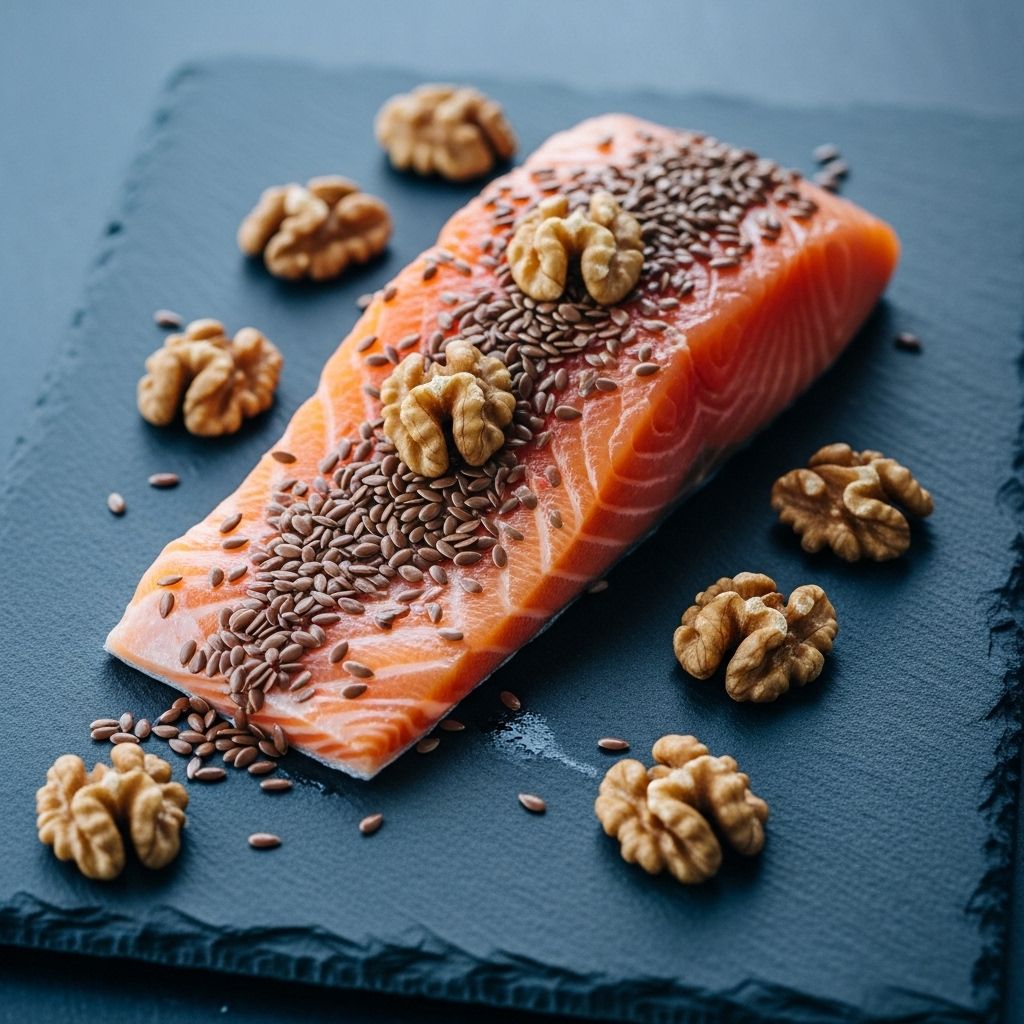
Omega Fatty Acid Profile
Essential fatty acids — particularly the long-chain polyunsaturated omega-3 compounds EPA (eicosapentaenoic acid) and DHA (docosahexaenoic acid) — cannot be synthesised by the human body in adequate amounts and must be obtained through diet. Marine-sourced fatty acids are the most bioavailable forms, with plant-based ALA (alpha-linolenic acid) serving as a less efficiently converted precursor.
- DHA is a structural component of neuronal cell membranes and is associated in nutritional research with maintenance of cognitive function and visual acuity
- EPA and DHA contribute to the biosynthesis of resolvins and protectins — specialised pro-resolving mediators involved in regulating the body's inflammatory response
- Omega-3 fatty acids are associated in population studies with supporting normal cardiovascular function, including maintenance of healthy triglyceride levels

Antioxidant Complex
Polyphenol and Antioxidant Complex
Polyphenols represent a diverse class of phytonutrients — including flavonoids, resveratrol, quercetin, and curcuminoids — found abundantly in plant-based foods. Their primary studied function relates to modulation of oxidative stress, which is implicated in cellular ageing processes. The ORAC (Oxygen Radical Absorbance Capacity) framework, while now supplemented by more nuanced measures, brought polyphenols into mainstream nutritional discourse.
- Quercetin and kaempferol (found in onions, kale, and apples) have demonstrated in vitro and in vivo antioxidant and anti-inflammatory activity in scientific research
- Curcumin from Curcuma longa has been widely studied for its modulation of NF-kB signalling pathways, with research exploring its general anti-inflammatory properties
- Resveratrol, found in grape skins and dark berries, has been studied in relation to sirtuin pathway activation and mitochondrial function in longevity research contexts

Gut Microbiome Support
Probiotic and Prebiotic Complex
The gut microbiome — comprising up to 100 trillion microbial organisms — has become one of the most intensively researched areas of nutritional science in the 21st century. Probiotic organisms (live microorganisms conferring host benefit) and prebiotic substrates (dietary fibres that selectively feed beneficial gut bacteria) work symbiotically to support microbial diversity and gut barrier integrity.
- Lactobacillus and Bifidobacterium strains are among the most studied probiotic genera, associated with short-chain fatty acid production and mucosal immune modulation
- Prebiotic fibres including inulin and fructo-oligosaccharides (FOS) selectively feed Bifidobacterium populations, contributing to a diverse and resilient gut ecosystem
- Emerging research in the gut-brain axis explores how microbiome composition influences neurotransmitter precursor availability, stress response, and general cognitive well-being
Reminder: None of the descriptions above represent claims about specific products. This is a purely informational overview of nutritional science categories. The benefits described reflect general scientific literature and do not constitute promises of individual outcomes. Hykalix does not sell any items.